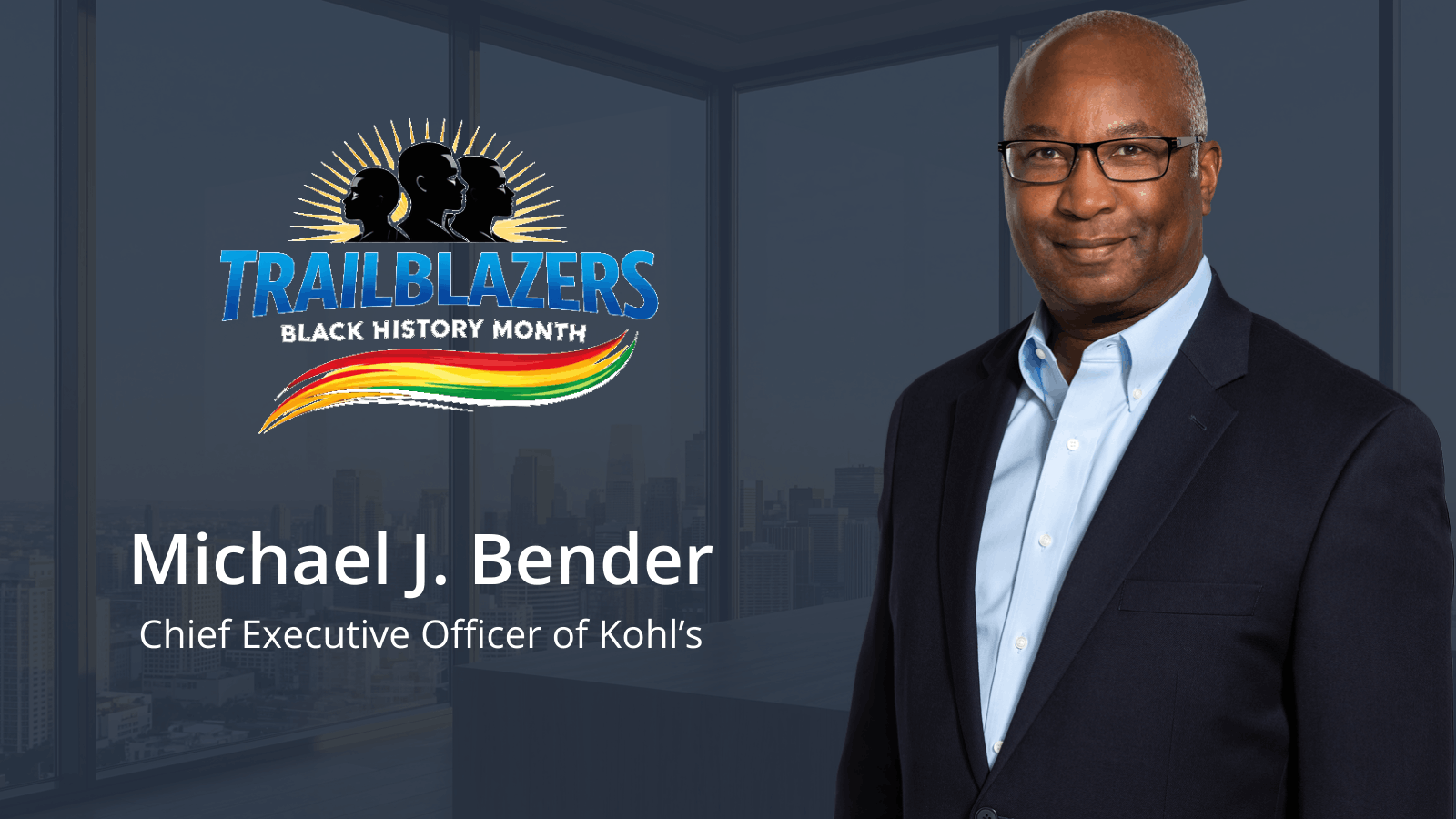
There’s something telling about the fact that when Kohl’s needed a steady hand, they didn’t have to look very far. Michael J. Bender had been sitting on the company’s board since 2019 and serving as Board Chair since 2024. He had watched the turbulence up close. Declining sales. A workforce stretched thin by years of uncertainty. A brand that had lost some of its footing with the very shoppers who built it. When the board let the last CEO go in May 2025, they turned to Bender and said, it’s your turn.
CSG’s Trailblazers series celebrates leaders who have made their own way and lifted those around them. February is Black History Month, and Bender is one of a still-small group of Black executives running a Fortune 500 company.
Bender’s career didn’t start in retail. It started at PepsiCo, where he spent more than a decade learning the fundamentals of how big consumer businesses actually work. Sales. Finance. Operations. The kind of unglamorous, foundational work that either burns people out or builds them into something exceptional. He left PepsiCo with a set of instincts about how large organizations move or fail, that would serve him for the next thirty years.
From there he moved into specialty retail at Victoria’s Secret under L Brands, one of the most aggressively merchandised retail concepts in the country at the time. Then into healthcare services at Cardinal Health, building up a kind of cross-industry fluency that most executives never develop. Every time he changed sectors, he wasn’t starting over. He was adding another layer. By the time he arrived at Walmart, he had seen more of the business world than most people twice his age.
At Walmart, he rose to become COO of Global eCommerce and EVP and President of the Walmart West business unit, putting him squarely at the center of one of the most consequential digital transformations in retail history. Walmart’s e-commerce push was a full-scale rethinking of how a 4,000-plus store footprint could compete in an Amazon world. Bender wasn’t watching that happen from the sidelines. He was running parts of it. That experience matters more now than it ever has.
Then he ran Eyemart Express as CEO from 2018 to 2022. Full P&L. Running a company of that size as its chief executive is a different job than being an operating executive inside a giant. You feel the decisions differently. The accountability is total. Bender thrived in it.
That’s the resume he walked in with when Kohl’s handed him the interim job. He got to work immediately.
The first order of business was product. Under previous leadership, Kohl’s had quietly pulled back from some of the categories that had defined it for decades. Women’s apparel had been thinned out. The jewelry assortment was a shadow of what it used to be. Petite sizing, a category that generates fierce loyalty among the shoppers it serves, had been significantly reduced. These weren’t abstract strategic decisions. They were the kind of changes that caused a shopper to walk in, not find what they came for, and go somewhere else . Bender understood that. He started restoring those assortments.
The second order of business was people. A company that has cycled through three CEOs in three years has a culture problem, not just a leadership problem. Employees stop believing things will stabilize. Managers stop making long-term plans. The organization starts managing defensively rather than building offensively. Bender moved to change that. He was visible. He was direct. He communicated a clear sense of where the company was going and why. The workforce noticed.
The results followed. Within months of taking over as interim CEO, Kohl’s raised its 2025 financial forecasts. That’s not a small thing for a company that had been delivering disappointing results for years. Analysts who had been skeptical started paying attention. In November 2025, the board made it permanent.
The numbers he’s working with are serious. More than 1,100 stores across the country. Roughly 87,000 associates. Decades of brand equity with middle-income American families who have counted on Kohl’s for everything from back-to-school basics to holiday shopping. That loyalty is worth protecting. The challenge is connecting it to a retail environment that looks nothing like the one Kohl’s was built for.
Amazon didn’t exist when Kohl’s opened its first stores. Off-price giants like TJX Companies and Burlington were a fraction of their current size. The smartphone hadn’t been invented. Today, every one of those forces is bearing down on Kohl’s simultaneously. Shoppers can compare prices in real time while standing in the aisle. They can have almost anything delivered by tomorrow. They have more choices than any previous generation of consumers had ever had. Surviving in that environment requires more than operational excellence. It requires a genuine reason for people to choose you.
Bender’s answer to that challenge is rooted in value and experience. Kohl’s rewards program is one of the largest in retail, with tens of millions of active members. The store’s partnership with Amazon, which allows customers to return Amazon purchases at Kohl’s locations, drives meaningful foot traffic and introduces Kohl’s to shoppers who might not have thought of it otherwise. The company’s positioning in national brands at accessible prices still resonates with a large swath of middle-income American families. These are real assets. The job is to build on them rather than let them erode.
He’s also spoken about what it means to hold this position. Fewer than ten Black executives are running Fortune 500 companies right now. For context, there are 500 companies on that list. The math is stark. That number is both a recognition of how far corporate America has come and an honest measure of how much further it still has to go. Bender carries that awareness, has spoken about it publicly, and has been intentional about building inclusive teams and culture inside Kohl’s. The customer base that walks through Kohl’s doors looks like America. He believes the leadership of the company should too.
That belief isn’t abstract. Getting to the top of a major institution requires preparation, persistence, and a willingness to take on hard problems that others might pass on. He has done all three across a career spanning more than three decades. He’s not here to manage decline. He’s here to build something, and based on what he’s already done, Kohl’s may have finally found the leader it’s been searching for.
Follow CSG as we continue celebrating Black History Month with more Trailblazers shaping the future of retail and foodservice.
Sources
Kohl’s Corporation Investor Relations
Kohl’s Corporate Newsroom
Fortune 500 Executive Leadership Data
National Retail Federation Board of Directors
Chain Store Guide Retail Database



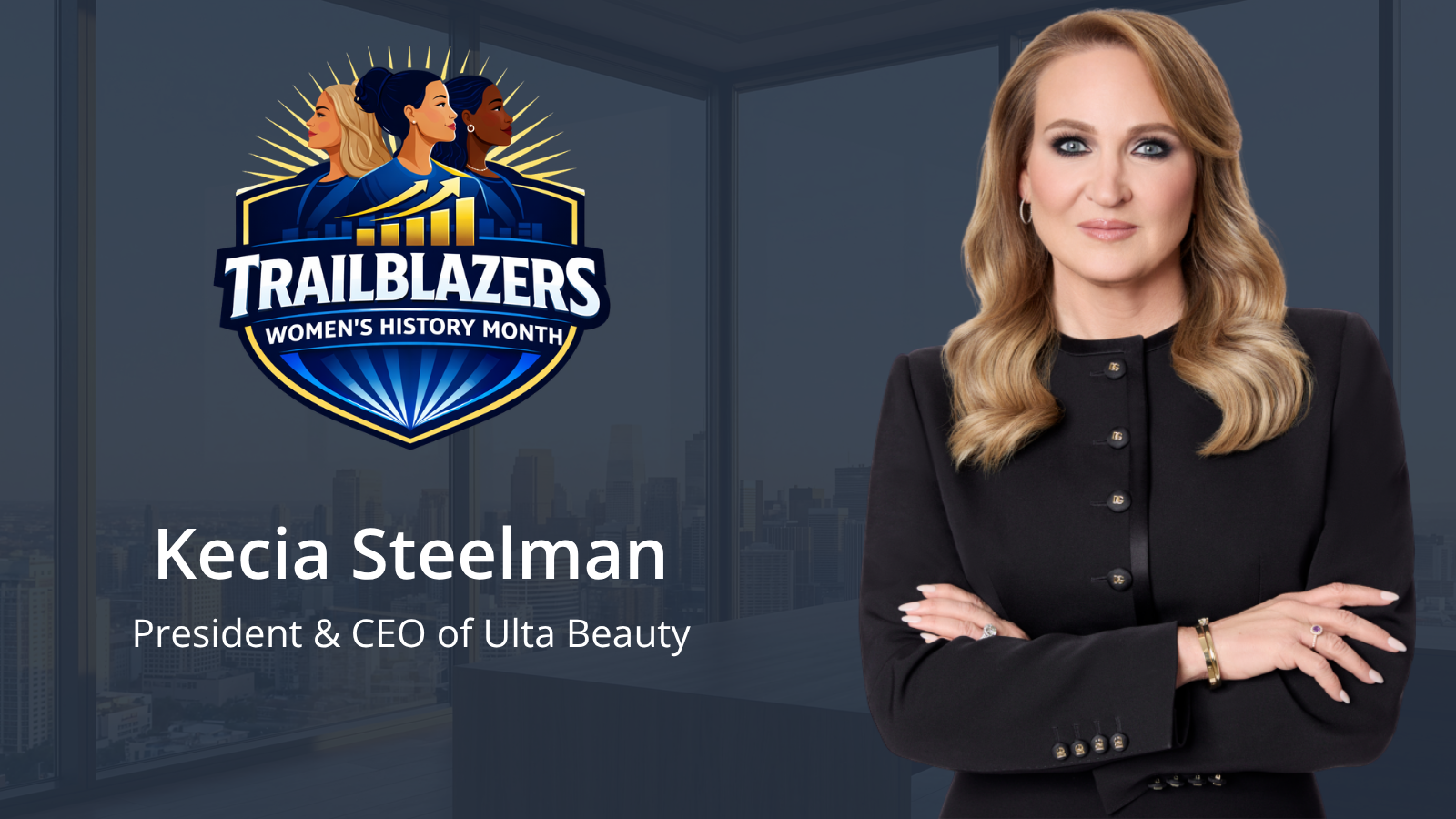
March 27, 2026
Nobody hands you a corner office when you grow up poor in Mediapolis, IA. Kecia Steelman was 20, a younghttps://www.chainstoreguide.com.
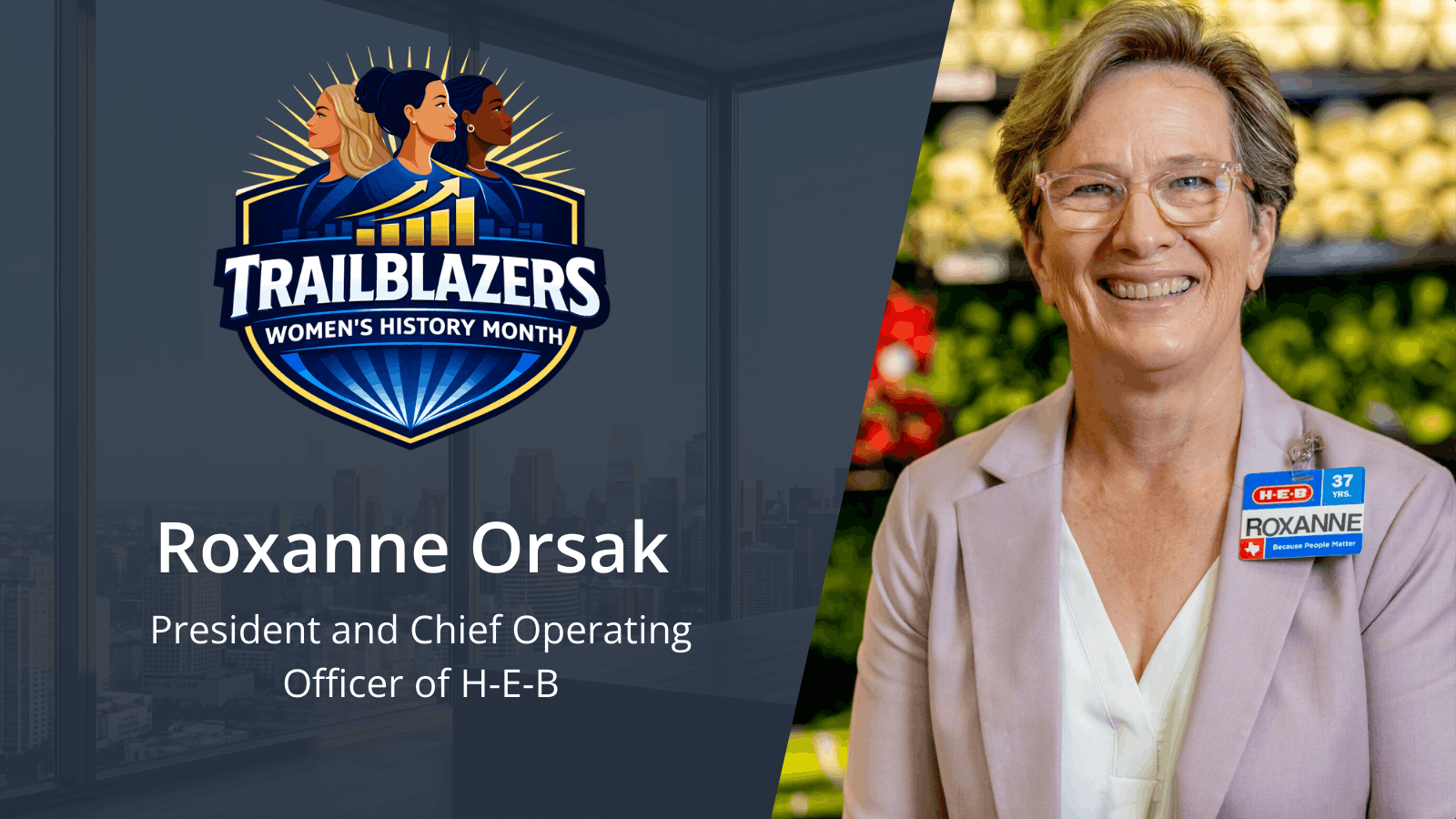
March 12, 2026
If you ask most people to name the most beloved grocery chain in America, there is a good chance ahttps://www.chainstoreguide.com.
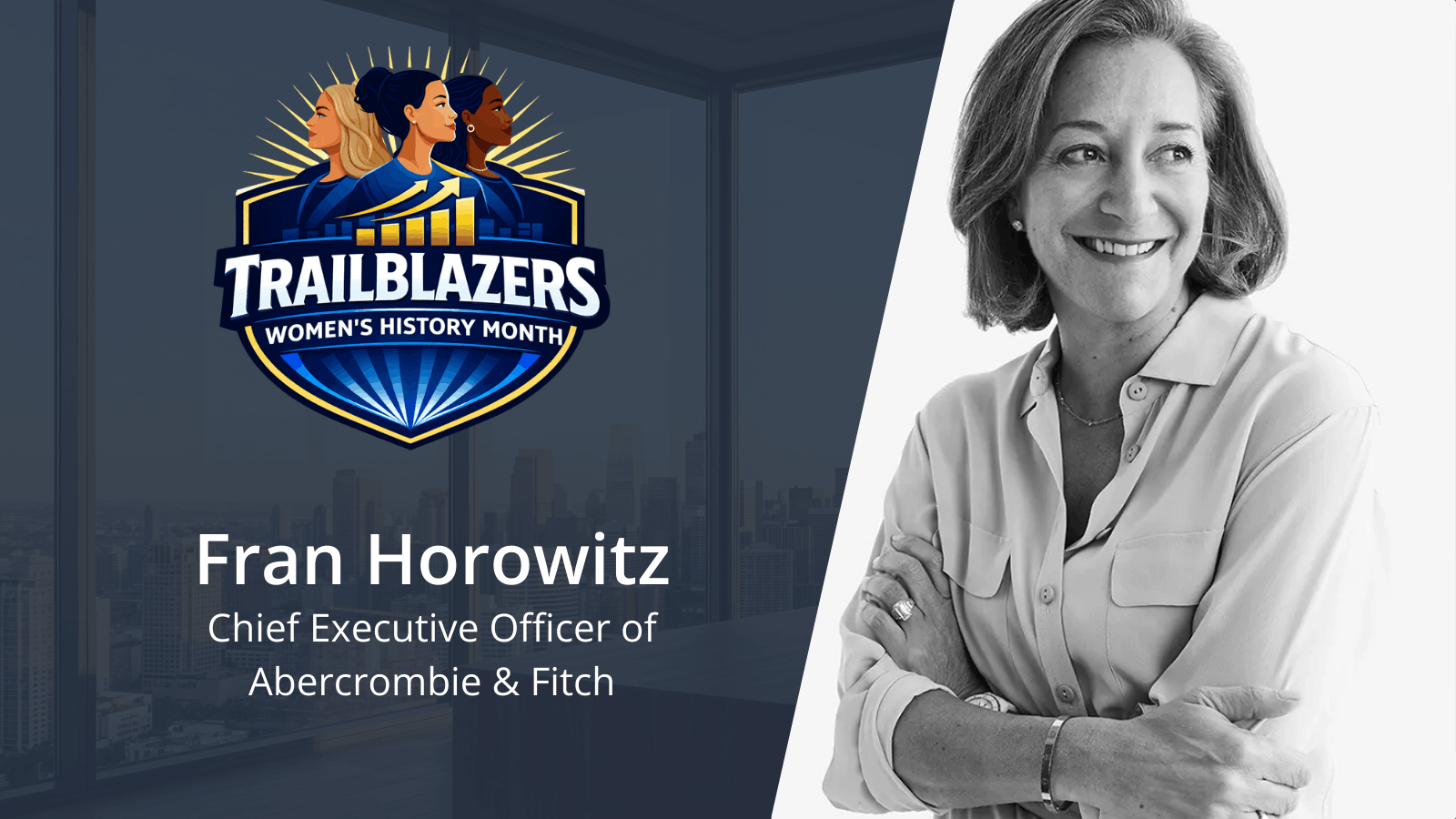
March 5, 2026
Think about the last brand you completely wrote off. Maybe it was a restaurant chain that lost its way, ahttps://www.chainstoreguide.com.