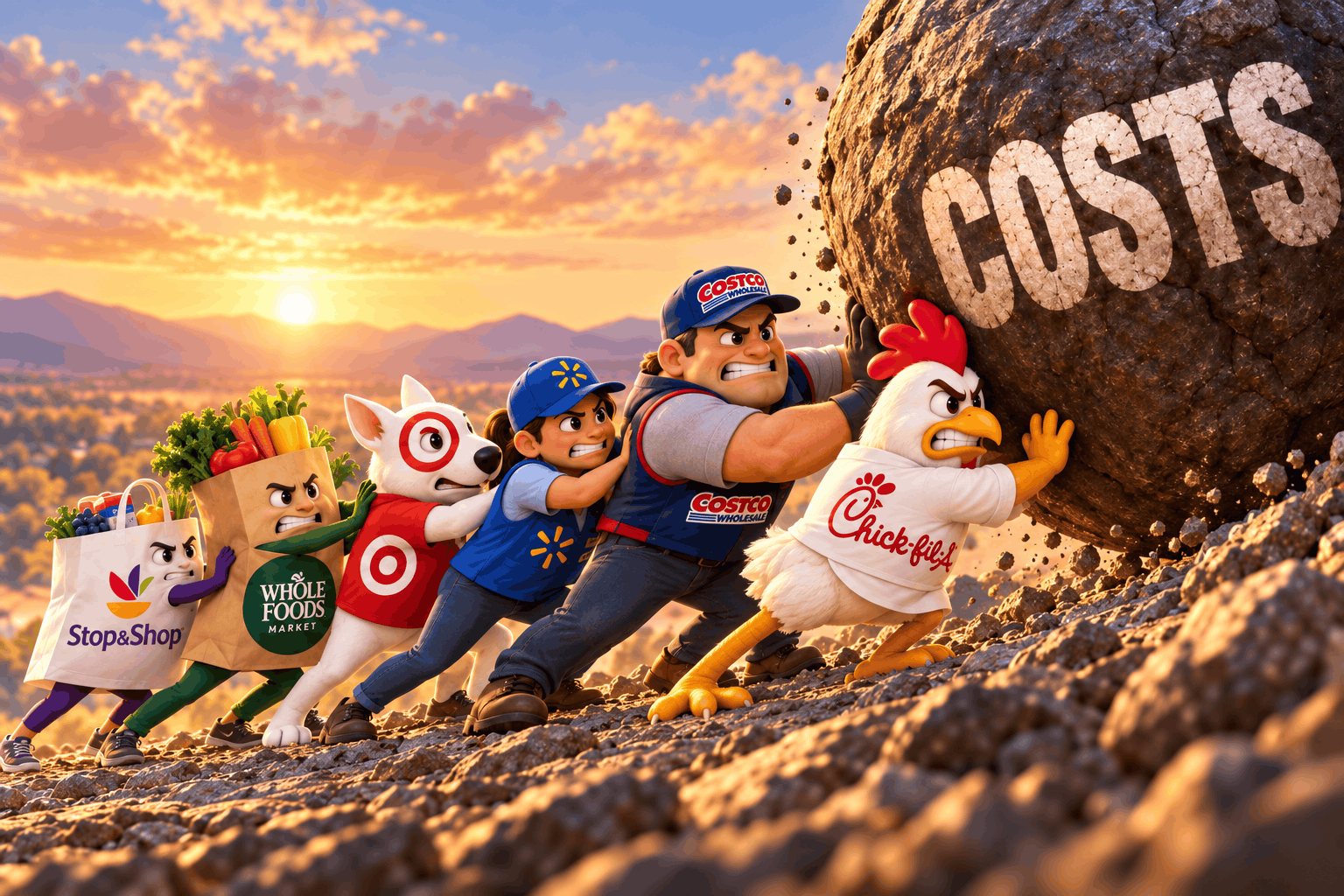
Craig Melvin asked the question every quick-service CEO has been dodging this year: has Chick-fil-A shrinkflated?
“We’re not going to do that,” Chick-fil-A CEO Andrew Cathy told NBC’s TODAY. “We’re not going to shrink product.”
On price, he was nearly as firm. “Even though our costs are going up, we’ve got to be careful knowing that consumers are making that trade-off.”
That’s the biggest chicken chain in the country talking, with an estimated $23.9 billion in 2025 U.S. sales across 3,287 units, per QSR.
And he’s not alone.
Costco CEO Ron Vachris posted a video in March while eating the $1.50 hot dog combo, a price that hasn’t moved since 1985. “The hot dog price will not change as long as I’m around.” In May, Costco cut prices on eggs, beef and chicken wings, and took slightly thinner margins to do it.
Walmart cut summer prices on ground beef, cherries, chips and specific sodas. Target cut pantry staples. Whole Foods dropped prices on more than 900 private-label items. Stop & Shop made thousands of price cuts.
The costs underneath haven’t moved the other way. The USDA projects restaurant prices to increase 3.5% this year and beef 9.4%. Grocers net just 1.5% to 2% on groceries. There isn’t much room to give.
So who pays?
Kroger answered on its June earnings call: it will press suppliers harder in negotiations and cut its own costs to fund discounts. PepsiCo is already there, with North American food prices down 2% in the second quarter to win back volume.
Chick-fil-A shows the other route. Its own distribution arm, Chick-fil-A Supply, runs roughly 11 centers with more coming, so the chain controls what it costs to get product to the back door.
Either way, the pressure moves upstream. For suppliers selling into retail and restaurant chains, two things matter now.
Lead with cost per unit, not price per case. A chain that has promised to hold prices needs every other line item to work harder. If your product cuts waste, labor minutes, freight or shrink, that’s your pitch.
Get to the right desk before the next negotiation. Category managers, procurement leads and franchise operators each own a different piece of the cost conversation. A pitch that lands with the wrong person waits, or worse, finds a home in the wastebasket. The vendor who reached the right decision maker at the right time gets the consideration.
That starts with knowing exactly who to call. CSG LeadSearch™ tracks verified corporate, regional and divisional contacts across retail and restaurant chains, from category buyers to franchise operators, refreshed daily, with unlimited exports to Excel, CSV or your CRM.
For everyone that’s holding the line on price, help them hold it, and you keep the shelf.




October 8, 2026
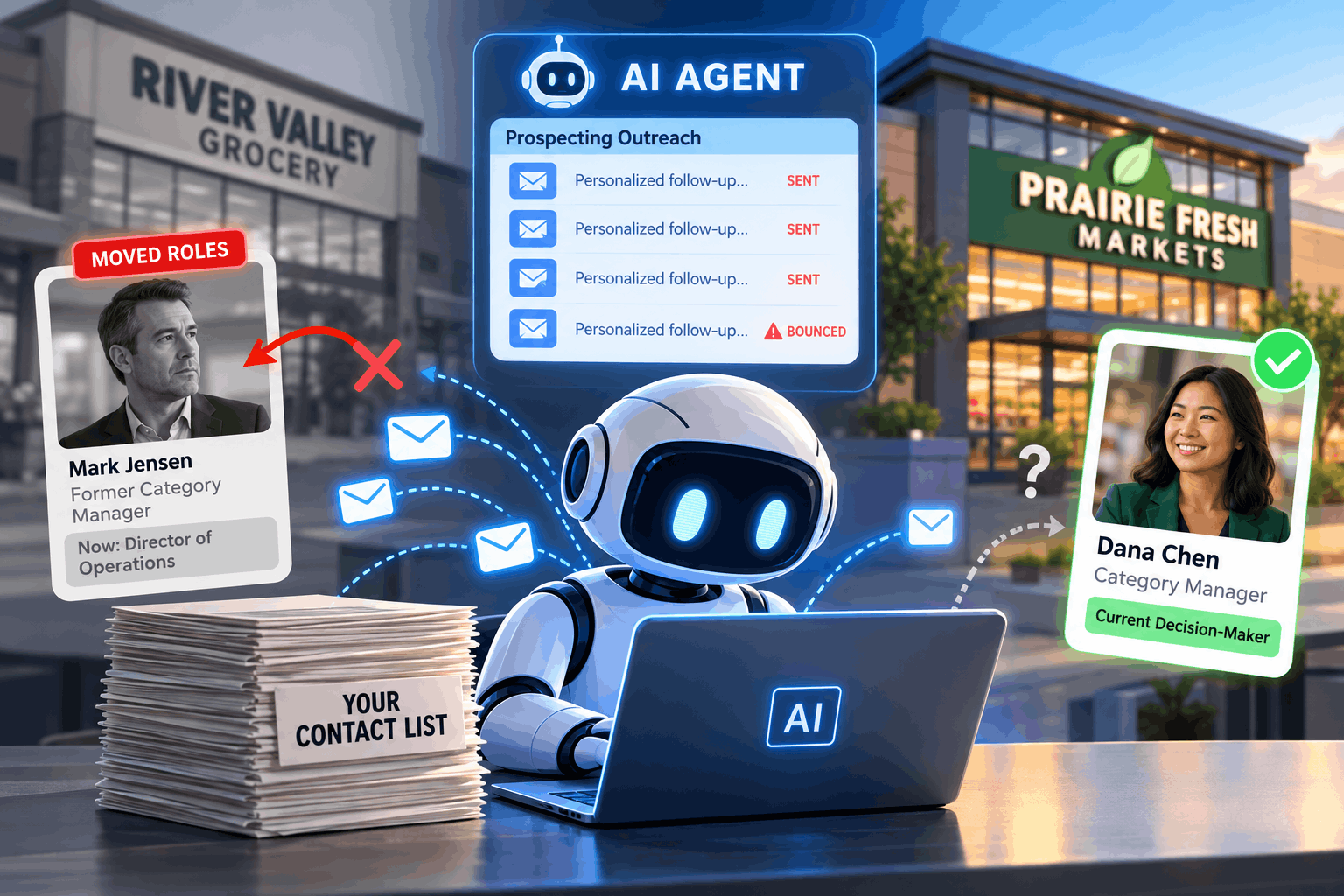
AI is moving into prospecting and purchasing. The data underneath it decides who wins. AI in B2B has movedhttps://www.chainstoreguide.com.
October 2, 2026
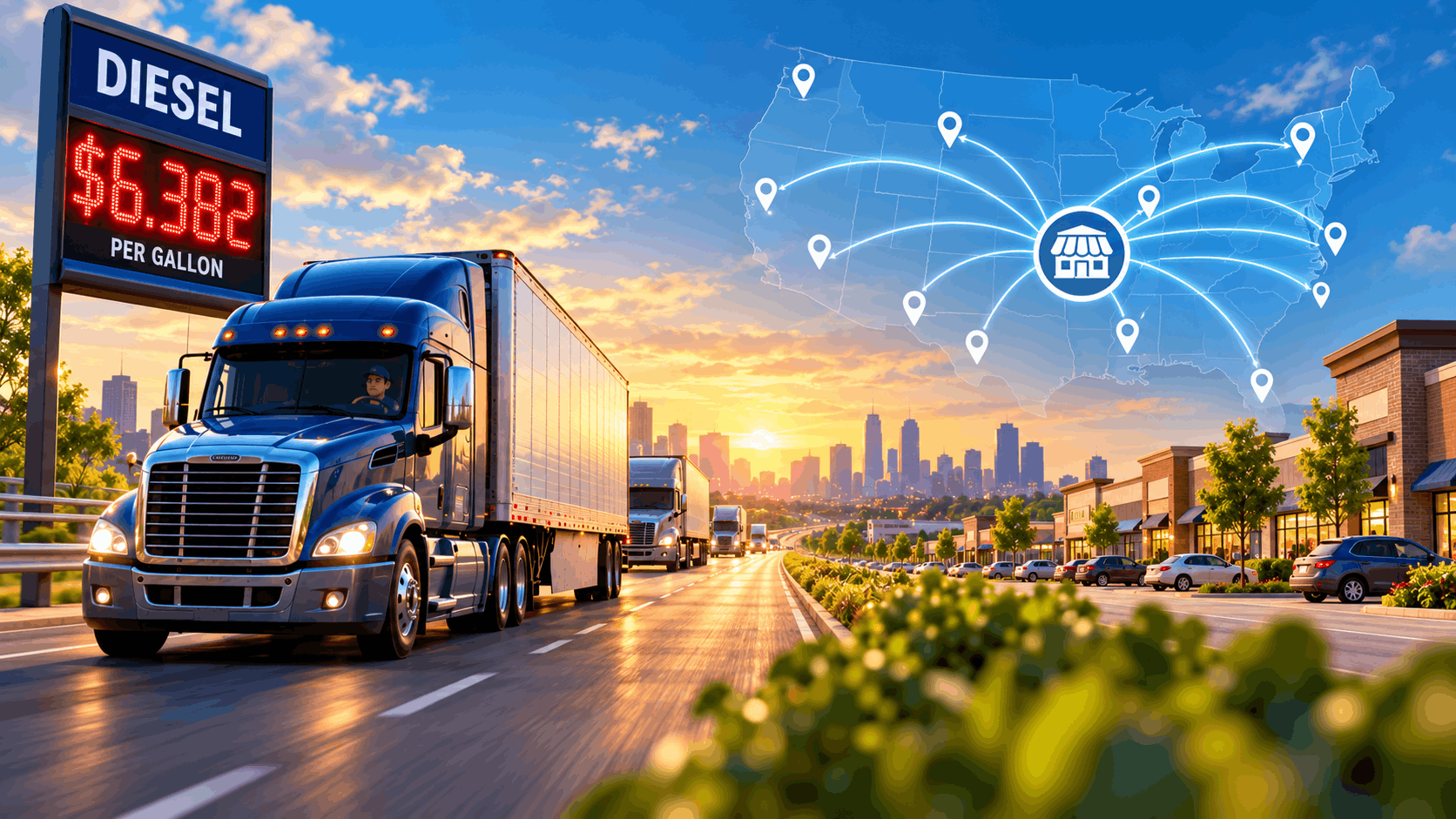
Near-record diesel and rising food costs are pulling chain sourcing closer to home. Every truck pulling up to a storehttps://www.chainstoreguide.com.
September 24, 2026
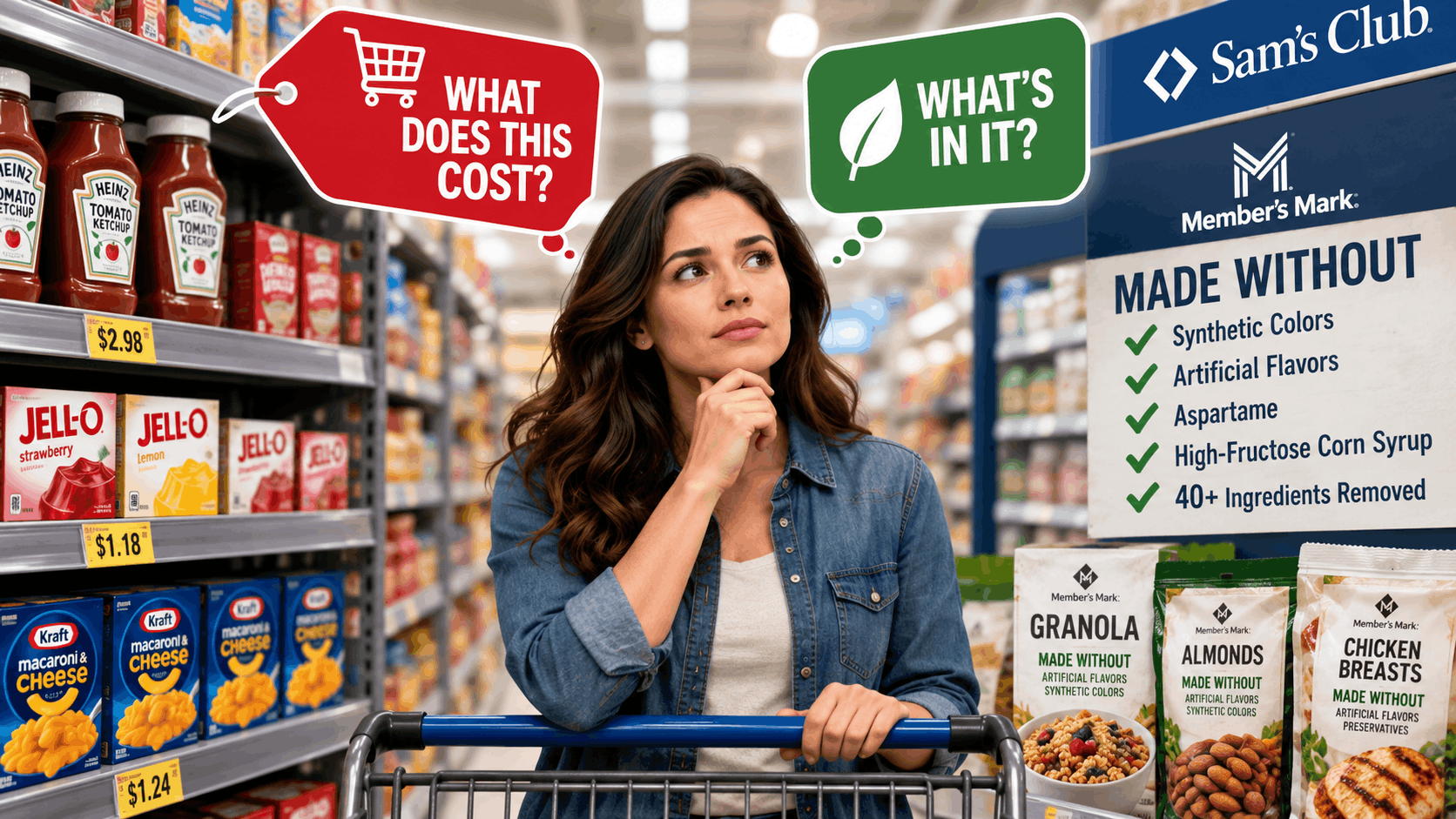
Kraft Heinz and Sam’s Club show grocery buyers are now judging prices and ingredients as one decision, not two. https://www.chainstoreguide.com.