
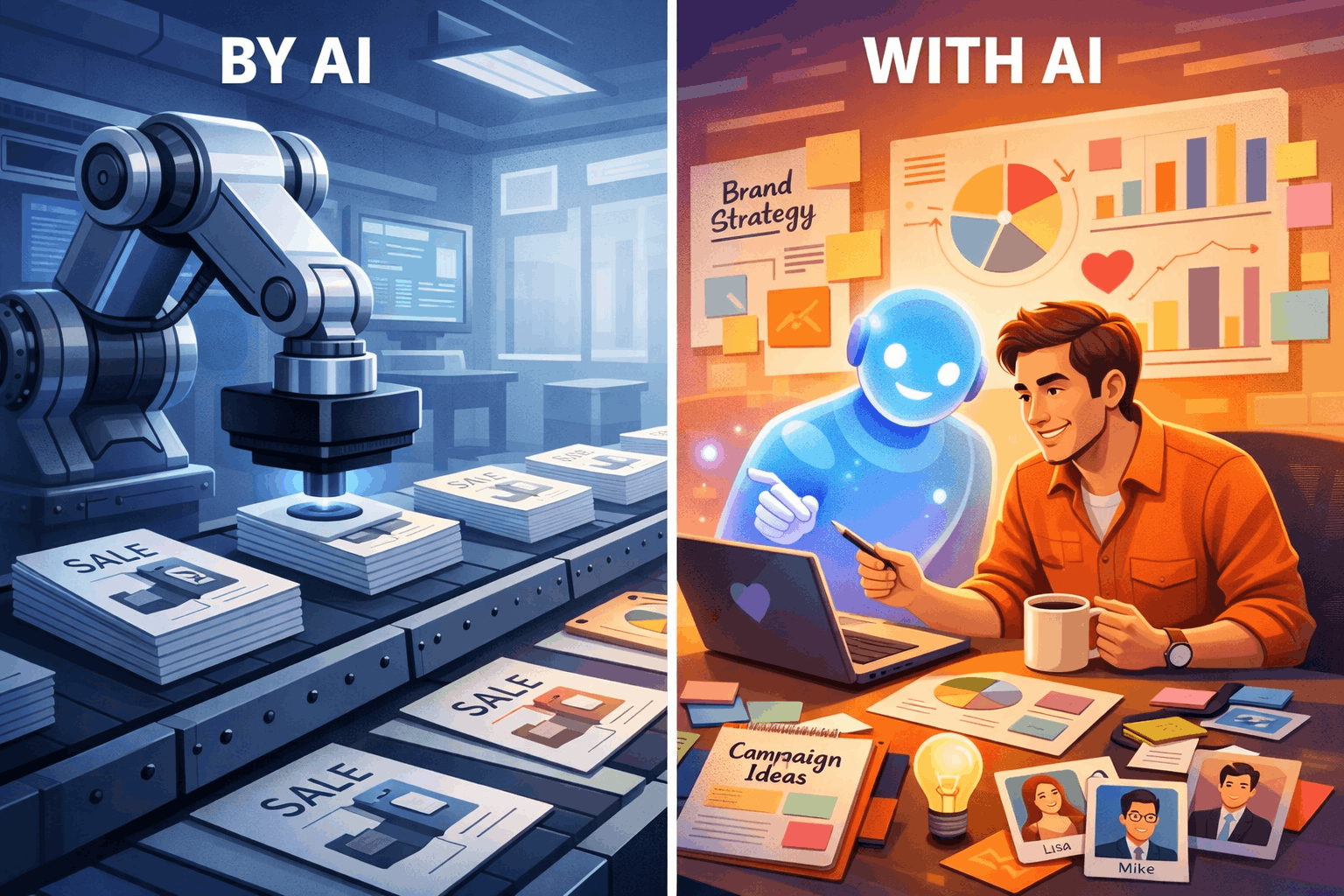
In 2026, are you still asking whether marketers should use AI? Research from Salesforce’s State of Marketing report shows that 84% of marketers are now using AI, up from just 29% in 2020.
Early adoption doesn’t always mean smart implementation. A lot of teams jumped into AI treating it like a magic wand for efficiency. Generate blog posts in seconds. Fire off email campaigns without thinking. Automate everything that moves. Sure, that speeds things up. Speed without strategy just means you’re producing mediocre content faster.
The backlash was predictable. A 2024 study by Gartner found that 63% of consumers say they can tell when content is AI-generated, and 45% say it makes them trust a brand less. When everything sounds the same, when personalization feels robotic, when the human touch disappears entirely, that’s when AI stops being helpful and starts being a liability.
That’s why the smartest marketing teams in 2026 aren’t letting AI do their jobs. They’re using AI to do their jobs better. There’s a big difference.
Think about where marketers spend their time. According to HubSpot’s 2025 Marketing Industry Trends Report, marketers spend an average of 16 hours per week on repetitive tasks like data entry, initial content drafts, and reporting. AI can cut that time dramatically. Some teams report saving 5 to 10 hours per week. The value isn’t just in getting hours back. It’s in what you do with those hours. You can focus on strategy, brand voice, customer relationships, the things that still require human judgment.
And judgment matters more than ever. A McKinsey study from 2024 found that while 72% of marketing executives believe AI improves decision-making, only 31% would trust AI to make major strategic decisions without human oversight. AI can spot patterns in data you’d never catch manually. It can predict customer behavior with impressive accuracy. But it can’t tell you what your brand should stand for. It can’t read the room when a cultural moment shifts. It can’t understand the difference between what the data says and what your customers need.
Personalization is where this tension plays out most clearly. AI now enables personalized marketing to reach millions of customers individually. According to Epsilon research, 80% of consumers are more likely to purchase from brands that offer personalized experiences, and McKinsey found that personalization can deliver five to eight times the ROI on marketing spend. Recommendation engines now drive 35% of Amazon’s revenue and 75% of what people watch on Netflix. The technology works.
But here’s the catch: personalization without purpose is just noise. Ever get an email that’s technically personalized but feels creepy? Or recommendations that are so obviously automated they miss the point entirely? That’s AI without human guardrails. The best marketing teams use AI to enable personalization, but they still decide what meaningful personalization actually looks like for their brand.
Take Chain Store Guide as a practical example. Instead of using AI to replace their data experts or customer service, they are (coming soon) embedding an AI chatbot directly into their database platform. The tool will help customers search faster, find more precise results, and navigate complex datasets without endless clicking. The intelligence still comes from combining AI with high-quality human-curated data and a deep understanding of how customers actually work. The AI isn’t doing their job, it’s removing friction so customers can do their jobs better.
And that’s really the shift. In 2026, having AI tools isn’t a competitive advantage. Everyone has access to ChatGPT, Jasper, HubSpot’s AI features, Adobe’s Sensei, you name it. The advantage comes from how you use them. Forrester’s 2025 research found that companies who use AI as an augmentation tool rather than a replacement see 3.5 times higher customer satisfaction scores and 2.8 times better employee retention. When your team feels empowered instead of replaced, it shows in the work.
The future of marketing isn’t about automating everything and calling it a day. It’s about being intentional. It’s about knowing when to let AI handle the grunt work and when to step in with human creativity, empathy, and strategic thinking. The tagline gets it right: transform your tools from “by AI” to “with AI.” That’s not just clever phrasing. It’s the difference between marketing that feels hollow and marketing that connects.
At the end of the day, AI can write your emails, but it can’t care about your customers. It can analyze your data, but it can’t understand your brand’s soul. It can optimize your campaigns, but it can’t build trust. Those things still require humans. And in 2026, the teams who remember that are the ones who’ll win.
Sources:



April 9, 2026
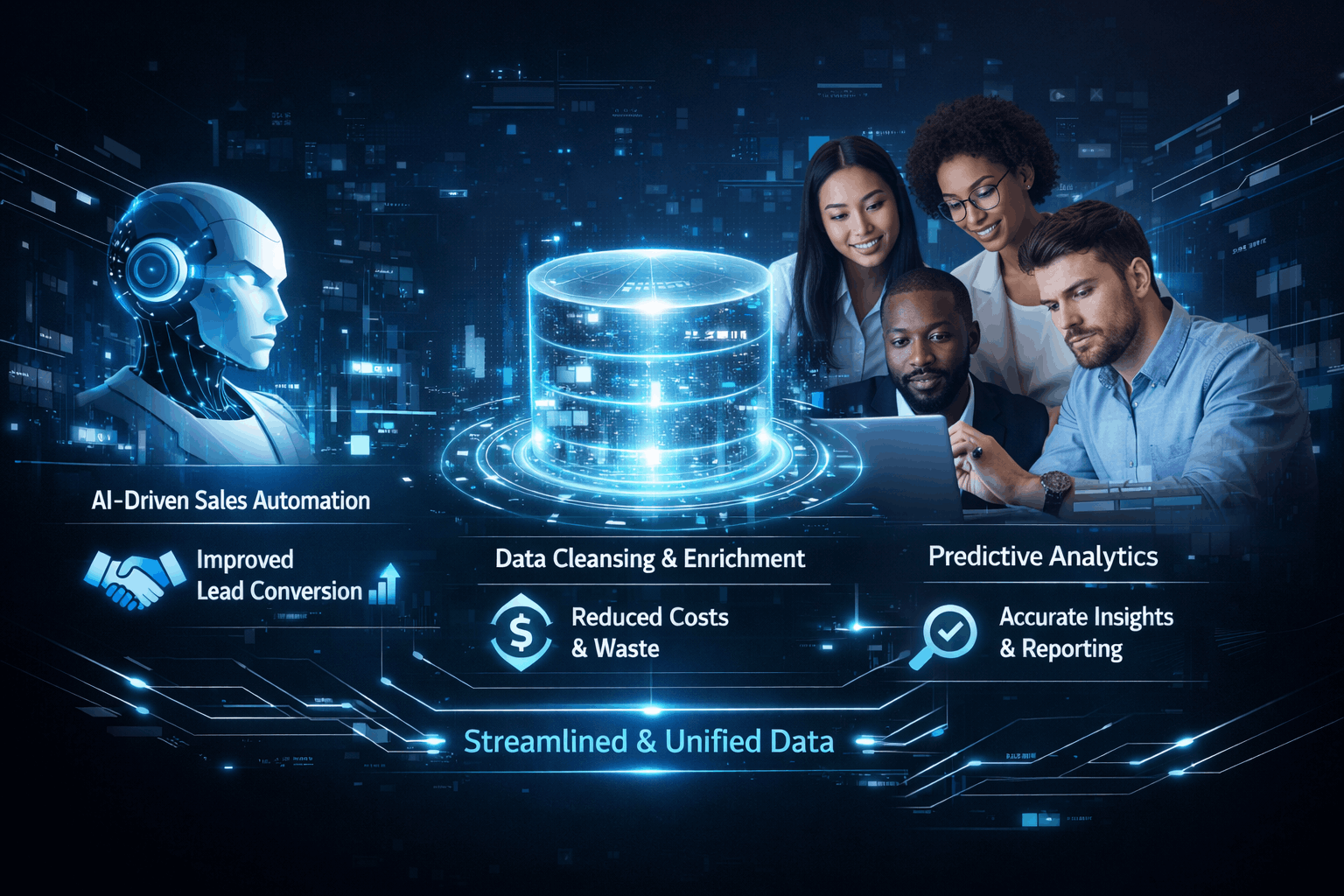
The teams pulling ahead aren’t using more tools. They’re using better data. There is no shortage of AI hype. However,https://www.chainstoreguide.com.
February 4, 2026
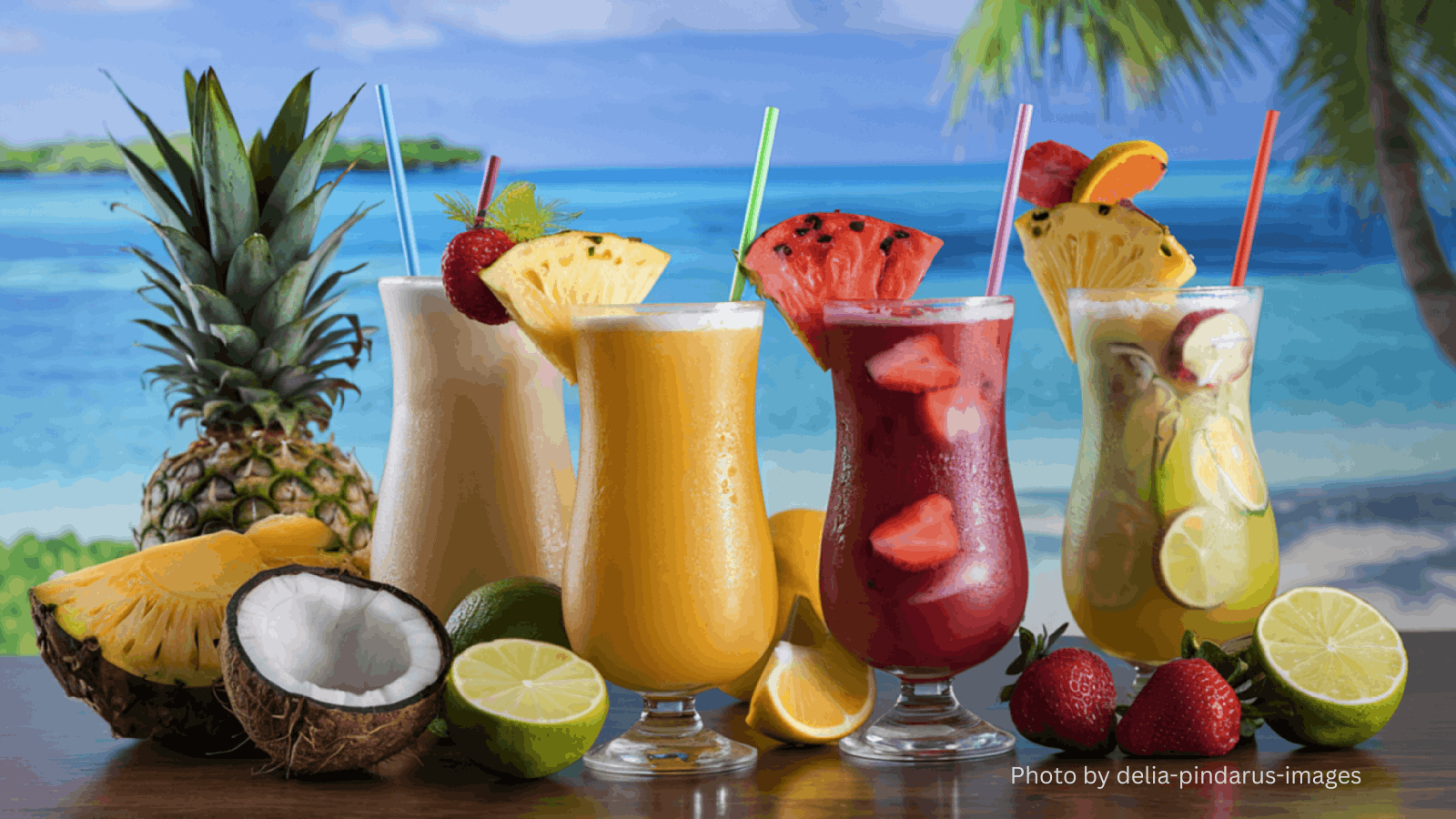
After 30 years of serving up Caribbean vibes and tropical cocktails, Bahama Breeze is calling it quits. Darden Restaurants announcedhttps://www.chainstoreguide.com.
January 30, 2026
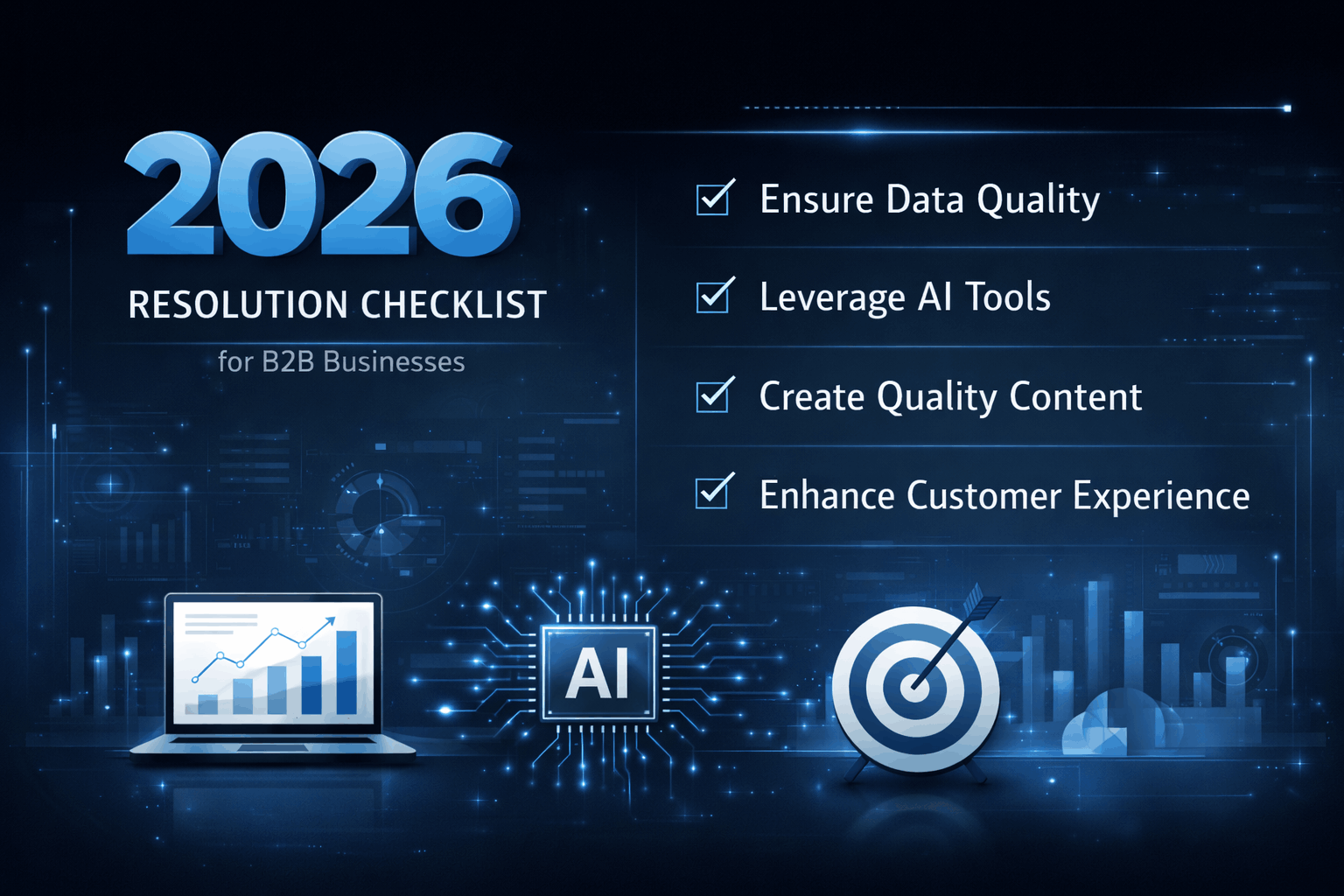
As we enter 2026, B2B marketing is undergoing a profound transformation. Buyers are more sophisticated, and the tools at ourhttps://www.chainstoreguide.com.