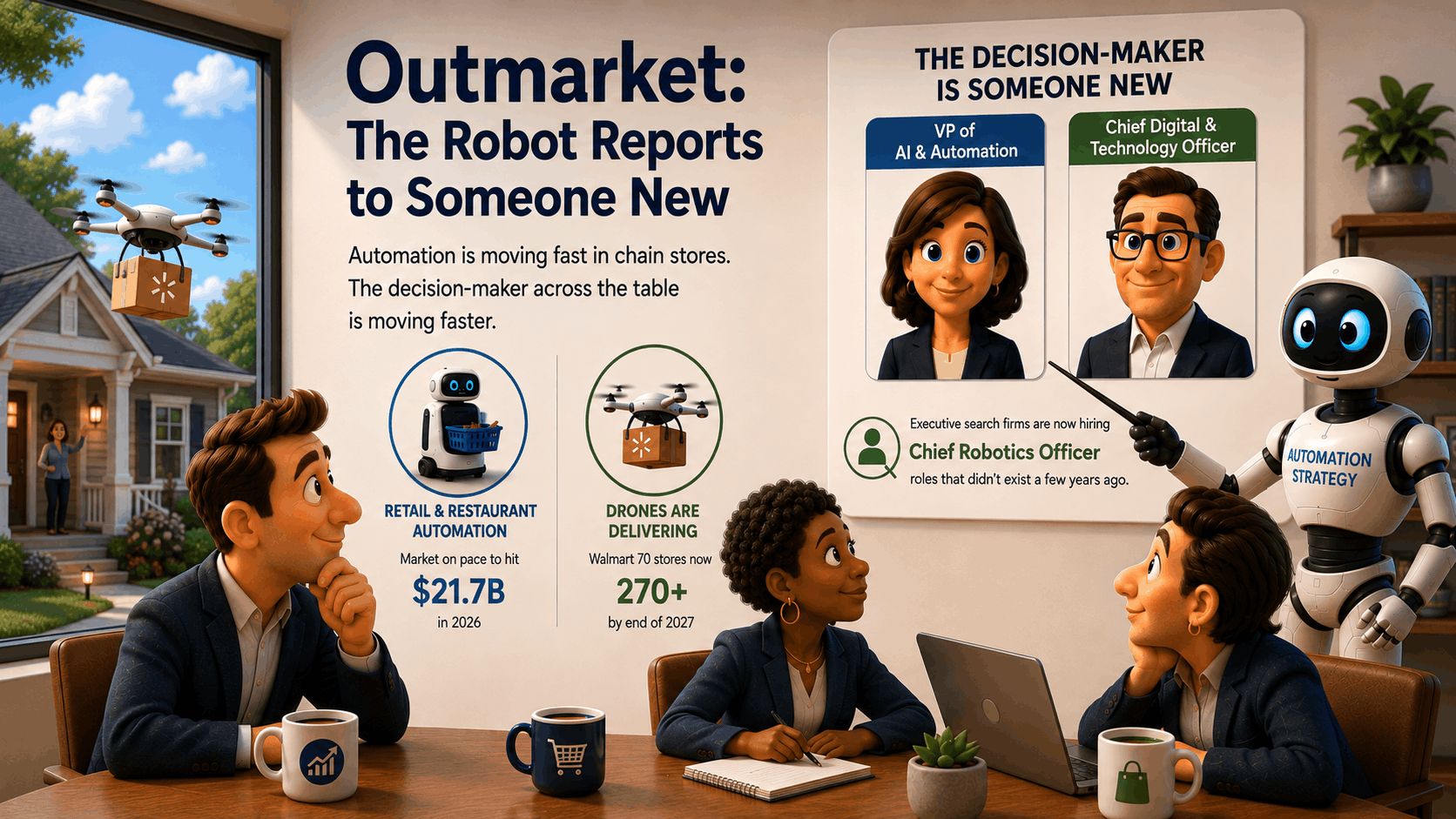

The retail robots market is on pace to hit roughly $21.7 billion in 2026. Restaurant chains are automating for a blunter reason: they can’t hire enough people to run the floor. White Castle runs its Flippy cooking robot across more than 100 locations. Chipotle and Buffalo Wild Wings are testing similar systems.
6.0% quits rate in food service
The U.S. food service sector’s quits rate as of December 2025 (U.S. Bureau of Labor Statistics), with turnover costing operators an average of $5,864 per departed employee.
The skies are moving too. Walmart runs drone delivery from roughly 70 stores and plans to reach more than 270 by the end of 2027. Amazon is pushing Prime Air toward roughly 30 million customers by the end of 2026. A novelty three years ago is now a live fulfillment channel at two of the largest chain operators in the country.
Here’s the part that matters for anyone selling into these accounts. At Foot Locker, automation strategy runs through a VP of AI & Automation. At Kroger, it sits with the Chief Digital and Technology Officer. Two years ago, that vendor approval sat with store operations. Executive search firms are now running standing searches for Chief Robotics Officer roles that weren’t a category a few years back.
Is this too much, too fast? Not evenly. Kernel, a fully automated restaurant concept from Chipotle’s founder, shut down in early 2025 and rebranded with no robots at all. Many operators who piloted autonomous ordering robots in 2024 and 2025 quietly reverted to tablets, which are cheaper and more reliable. Automation succeeds at a specific station or task and struggles the moment it tries to replace a whole role. That’s a reason the buying decision has gotten more careful and more concentrated, not a reason to discount the trend.
This is still the fastest enterprise-scale chains, and mid-market and regional businesses haven’t all built these roles yet. But the gap is closing. Regional grocers including B&R Stores, Harmons, and Woodman’s Markets are already piloting inventory robots. Suppliers selling into this space are adjusting: building relationships with corporate and divisional leadership before the rollout decision, documenting pilots in the finance language a rollout approver actually uses and shifting some focus toward independent multi-location operators and franchisees, where sales cycles are faster and budget authority sits with fewer people.
A prospect list built around store operations titles doesn’t account for any of this. It routes the pitch to someone who no longer owns the decision. CSG LeadSearch™ tracks verified decision-makers at chain accounts as those roles shift, so the contact is the one actually holding the budget.
Automation changed the floor. Make sure your list catches up with the org chart.
Sources
Coherent Market Insights
University of Cincinnati
RETHINK Retail



October 15, 2026
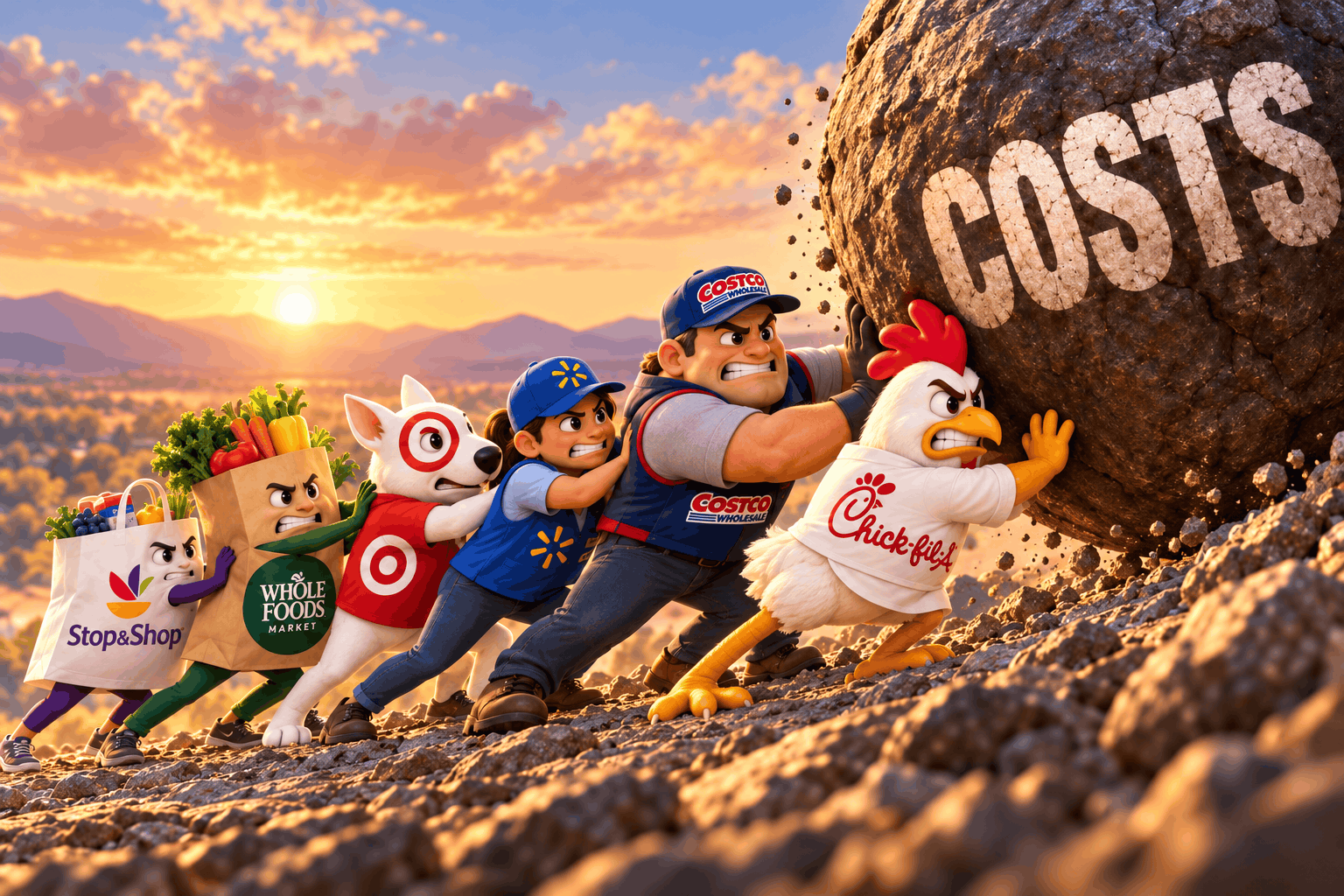
Chick-fil-A won’t shrink the sandwich. Costco won’t touch the hot dog. The cost has to land somewhere, and suppliers arehttps://www.chainstoreguide.com.
October 8, 2026
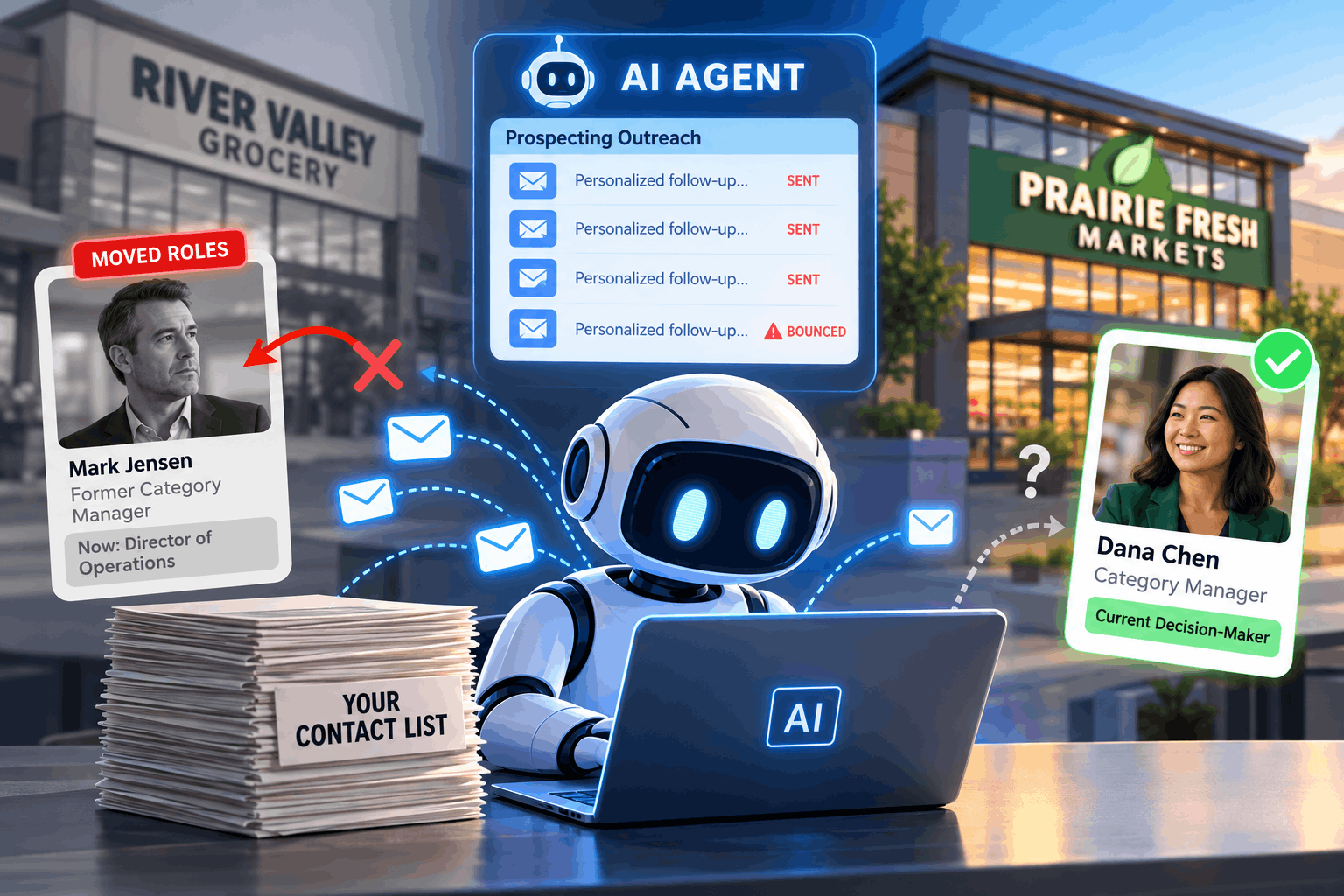
AI is moving into prospecting and purchasing. The data underneath it decides who wins. AI in B2B has movedhttps://www.chainstoreguide.com.
October 2, 2026
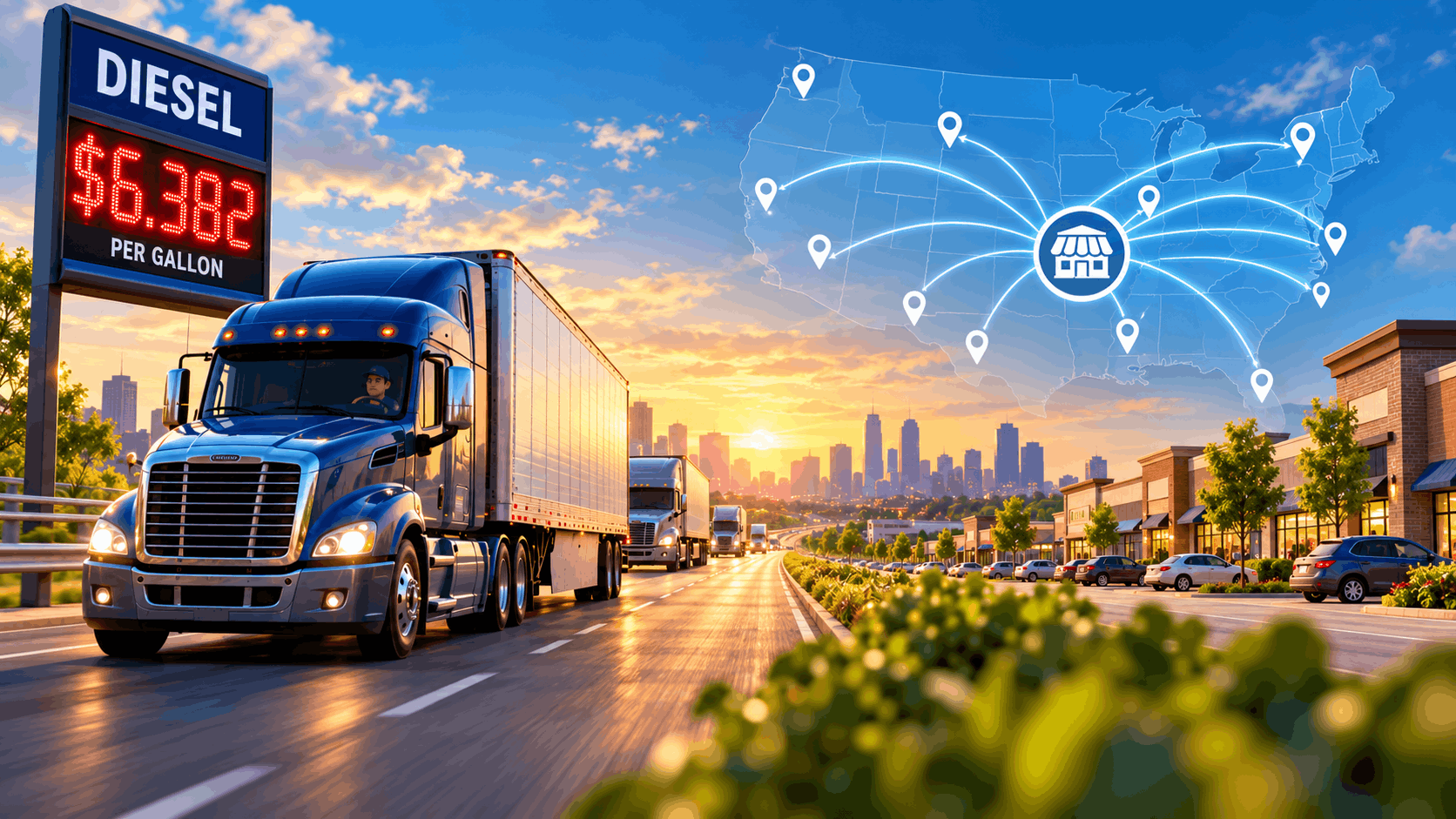
Near-record diesel and rising food costs are pulling chain sourcing closer to home. Every truck pulling up to a storehttps://www.chainstoreguide.com.