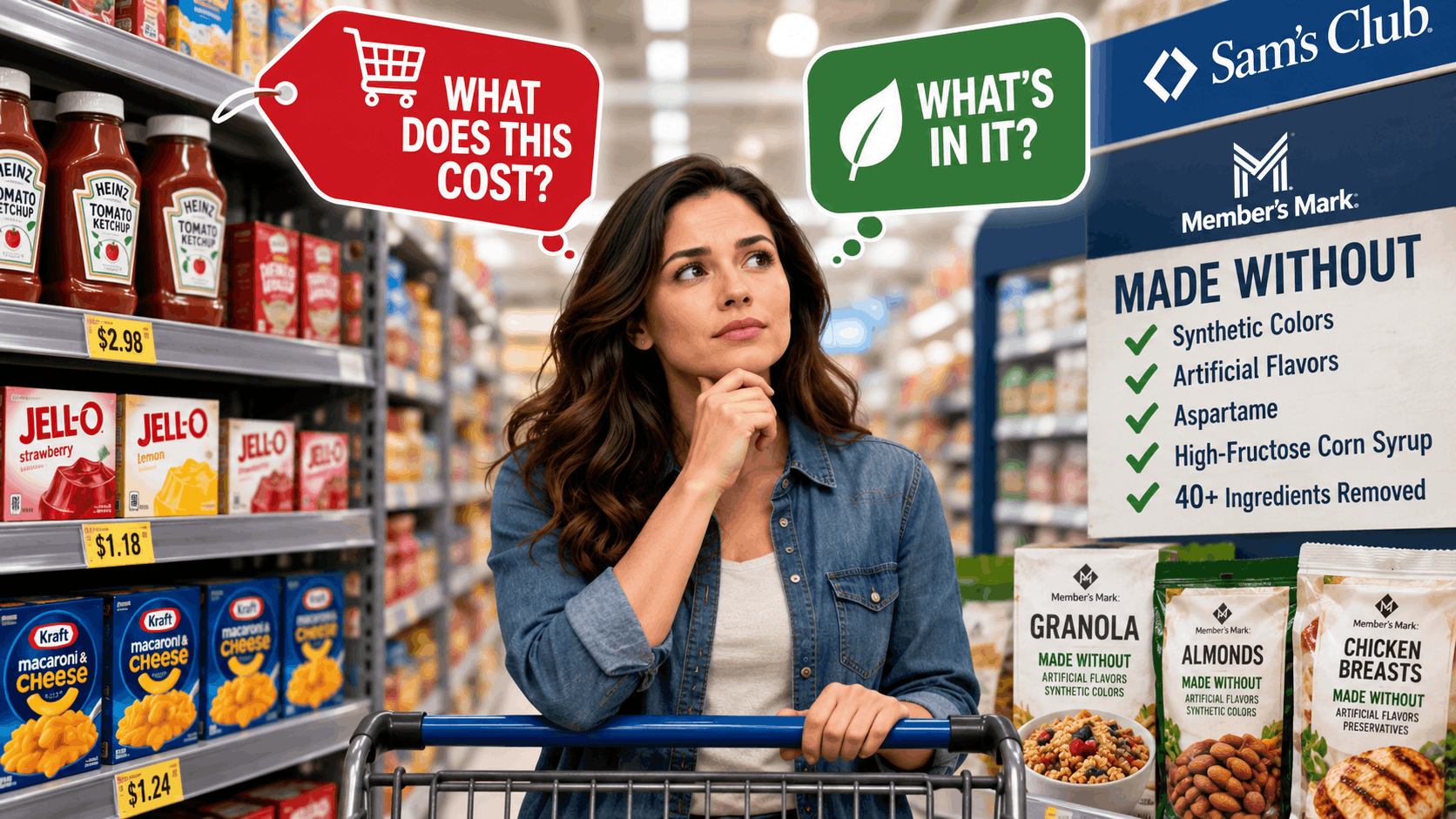
American grocery carts are being built around two questions right now: what does this cost, and what’s in it. Those two questions used to be asked separately. Increasingly, they’re getting asked by the same shopper, in the same aisle, at the same minute.
Price pressure isn’t new, but it hasn’t eased. Years of elevated grocery costs have pushed households toward private label and store brand alternatives, and new research from McKinsey shows that shift accelerating, according to NBC’s reporting. Kraft Heinz CEO Steve Cahillane, speaking with NBC’s Vicky Nguyen for the network’s Business in America series, put the pressure plainly: earning a place in the cart is something a brand has to do “each and every day,” not something it gets to assume. His response has been smarter timing rather than blanket discounts, front loading promotions with retail partners at the start of the month, when prospects and clients do their big shop.
40+ ingredients removed from every Sam’s Club Member’s Mark product.
Kraft Heinz is reformulating legacy brands like Jell-O on the same timeline, while racing to keep prices competitive. Cost and ingredients are no longer separate from purchasing decisions, and CSG’s Grocery Retail Elite puts suppliers in front of the 77,320 verified decision-makers making that call.
The ingredient side of the equation is moving just as fast, and it isn’t limited to one company. Cahillane described a growing share of consumers actively rejecting artificial flavors as a genuine business challenge, pushing legacy Kraft Heinz brands like Jell-O and Kraft toward reformulation on the shopper’s timeline instead of the labs.
Sam’s Club made the same shift official in January, announcing that every Member’s Mark food and beverage product now meets its Made Without standard, having removed more than 40 ingredients including synthetic colors, artificial flavors, aspartame, and high-fructose corn syrup. That’s the retailer’s own price-focused private label going to clean label across its entire lineup. When a legacy CPG company and a private label arm this size pulls the same lever at once, ingredient transparency has stopped being a shelf tag and become a baseline expectation.
For anyone selling grocery, drug, or specialty retail accounts, this is the part worth paying attention to. Cost and ingredients almost never get evaluated separately inside a buying organization, but right now both are sitting on the same category manager’s desk at the same time. The buyer weighing a private label expansion this quarter is often the same person fielding a reformulated product to pitch the next quarter. A supplier who can speak to value and ingredient transparency in one conversation has a real opening. A supplier who only leads with price, or only leads with clean label claims, is answering half the question that buyer is actually asking.
Timing matters more than usual: wait until a vendor’s review is finalized, and a supplier competes for whatever space is left over; reach the buyer while that review is still open, and a supplier helps shape what replaces the outgoing vendor.
CSG’s Grocery Retail Elite puts suppliers directly in front of the people making that call: 77,320 verified decision-maker contacts across supermarkets, drug chains, dollar retailers, specialty formats, and convenience stores, refreshed daily so the list is never chasing yesterday’s org chart.
Start a free trial and find the buyer weighing that decision at chainstoreguide.com.
Sources: NBC News/TODAY, “How Kraft Heinz is keeping its legacy brands affordable for cost-conscious shoppers,” September 2026; TODAY, “Kraft Heinz CEO Shares Best Time to Buy Products Amid Affordability Crisis,” September 2026; Walmart Corporate, “Sam’s Club Reaches 100 Percent ‘Made Without’ Milestone,” January 2026.



October 15, 2026
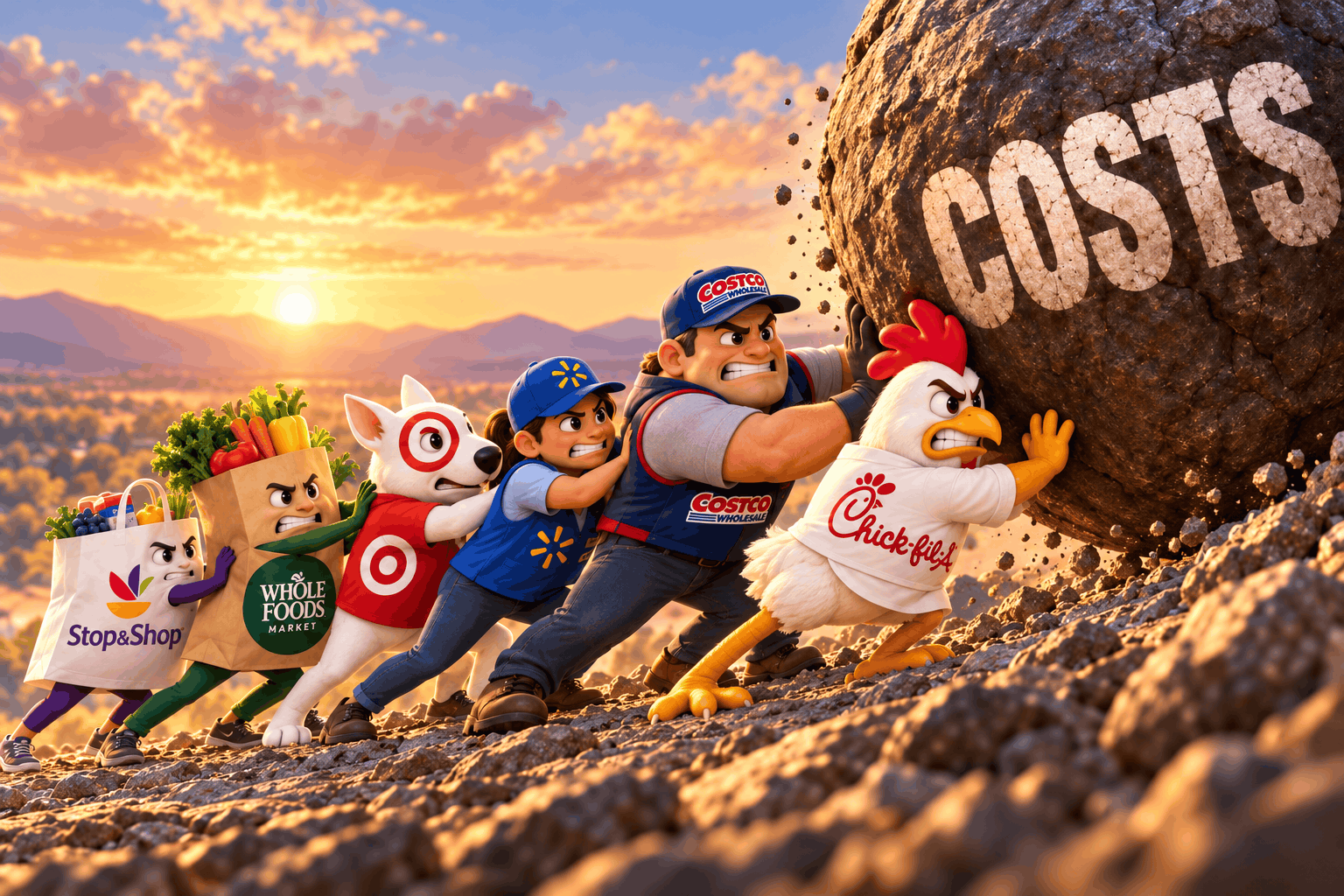
Chick-fil-A won’t shrink the sandwich. Costco won’t touch the hot dog. The cost has to land somewhere, and suppliers arehttps://www.chainstoreguide.com.
October 8, 2026
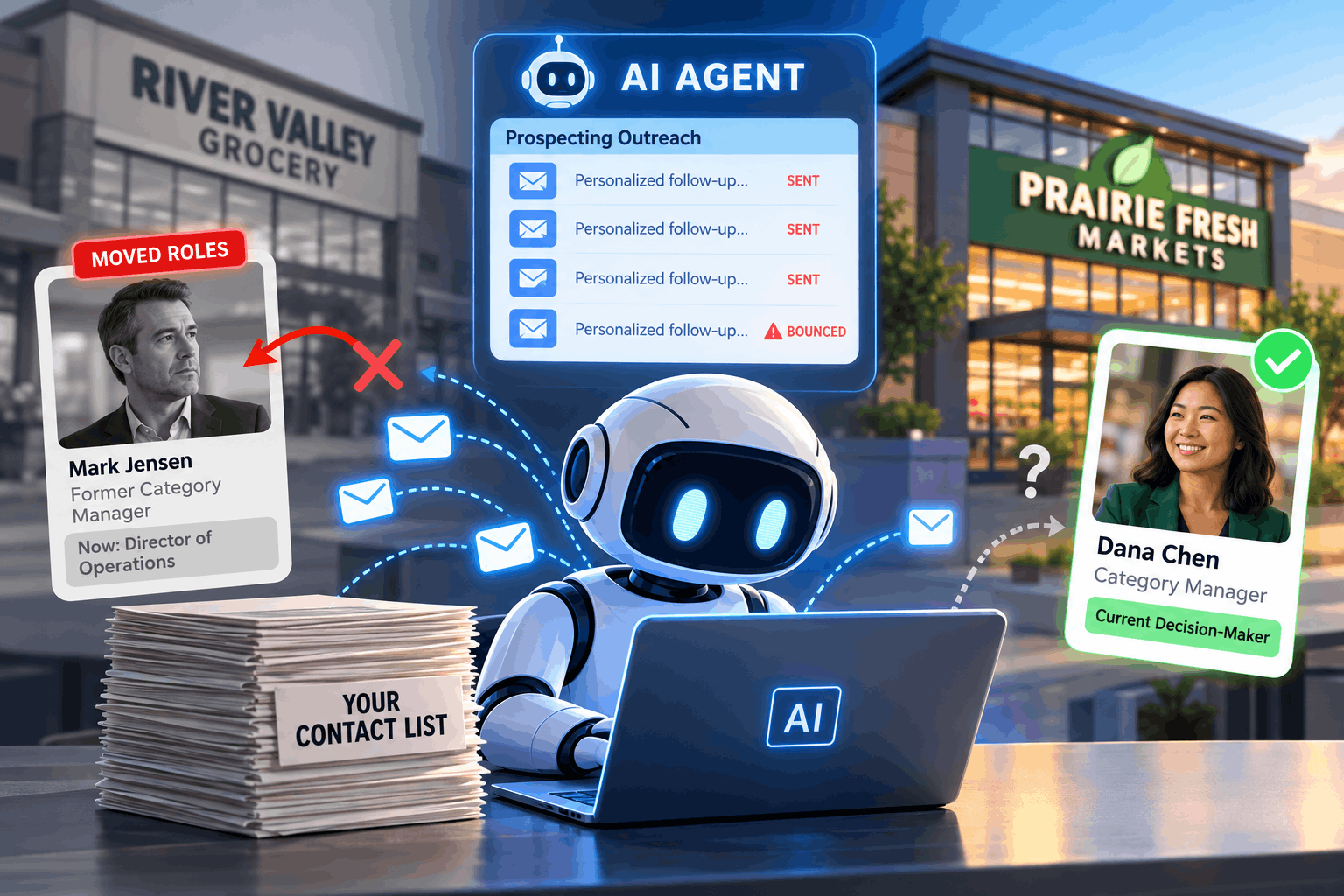
AI is moving into prospecting and purchasing. The data underneath it decides who wins. AI in B2B has movedhttps://www.chainstoreguide.com.
October 2, 2026
Near-record diesel and rising food costs are pulling chain sourcing closer to home. Every truck pulling up to a storehttps://www.chainstoreguide.com.